 adrienne
Contact the Canadian Red Cross immediately at 1-800-418-1111 for emergency lodging, food, and clothing within hours of your fire. Women fleeing domestic situations or facing unique vulnerabilities should identify themselves to access specialized trauma-informed support and confidential shelter placements.
Document everything with photos and detailed lists before cleanup begins—insurance claims depend on thorough evidence. If you need to how to sell a fire damaged house, know that financial recovery paths exist beyond traditional rebuilding. Connect with your local Women’s Resource Centre within 48 hours, as many offer emergency grants, donated furniture, and advocates who understand the intersection of housing insecurity and gender-specific challenges.
Access the Salvation Army’s Disaster Services and community food banks immediately—no woman should navigate this crisis hungry or alone. Single mothers and women-led households face distinct post-fire hardships, including childcare disruption and income loss, making rapid response critical.
Apply for the Disaster Financial Assistance Arrangements through your provincial government within weeks of the incident. Programs vary by province, but coverage typically includes temporary accommodation costs, essential household contents, and structural repairs. Indigenous women should contact their Band Council or Indigenous Services Canada for culturally appropriate assistance programs.
Join local Facebook groups like “Fire Recovery Support Canada” where women share real experiences navigating insurance disputes, contractor selection, and emotional recovery. This community-driven knowledge proves invaluable when official systems move slowly. You deserve comprehensive support that recognizes your strength while acknowledging the unique barriers women face during crisis recovery.
Why Women Face Unique Challenges After House Fires
When a house fire strikes, the path to recovery looks different for women in Canada. While everyone affected by fire faces significant challenges, women often encounter additional barriers that can make rebuilding their lives more difficult and prolonged.
The financial impact of a house fire hits women particularly hard due to existing economic disparities. Women in Canada earn less than men on average and are more likely to live in poverty, which means they often have fewer savings to draw upon during emergencies. Single mothers, who head one in five Canadian families, face even greater challenges as they navigate the aftermath of a fire while being the sole provider for their children. Emergency accommodation costs, replacing essential items, and covering deductibles can quickly overwhelm limited budgets.
Traditional assistance programs may not address the specific needs women face. Application processes can be complex and time-consuming, creating barriers for women who are simultaneously managing childcare, working multiple jobs, or dealing with language barriers. Many programs assume access to transportation, internet, and the ability to take time off work during business hours—luxuries not everyone can afford.
Consider Maria, a newcomer to Canada who lost her apartment to fire last winter. As a recent immigrant with limited English, she struggled to understand which documents were needed for insurance claims and government assistance. Without established credit history or local references, securing temporary housing became nearly impossible. Her experience reflects the intersectional challenges many women face.
Indigenous women living on reserves encounter unique obstacles, including underfunded emergency services and limited housing options that can leave them waiting months or years for replacement housing. Women with disabilities may find that temporary accommodations lack necessary accessibility features, while immigrant women might fear accessing help due to uncertain immigration status or cultural barriers.
These compounded vulnerabilities mean that women not only experience greater initial impact from house fires but also face longer, more difficult recovery periods. Understanding these unique challenges is the first step toward ensuring all women can access the support they need and deserve during one of life’s most traumatic events.

Immediate Emergency Assistance: Your First 72 Hours
Canadian Red Cross Disaster Assistance
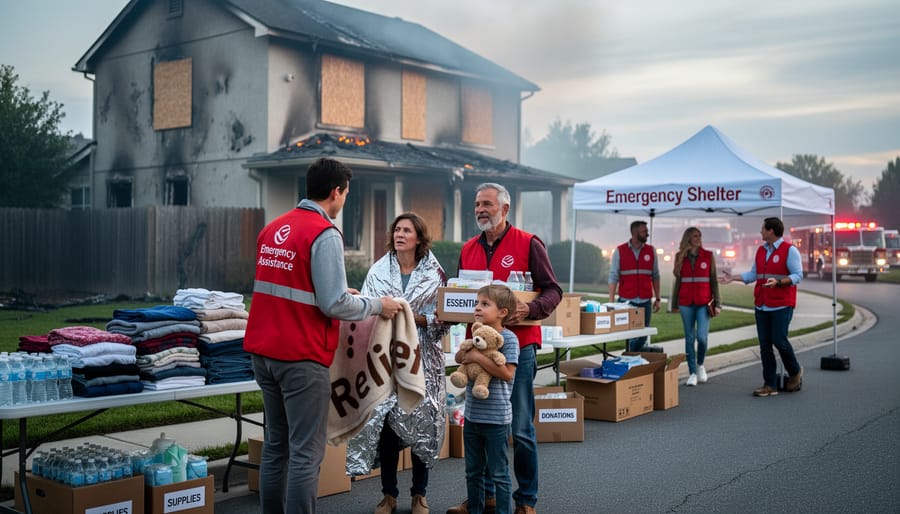
When a house fire turns your world upside down, the Canadian Red Cross stands ready to help within hours. This trusted organization provides immediate disaster assistance to anyone affected by fire, regardless of your insurance status or financial situation. You don’t need to prove anything or wait for paperwork—help begins when you need it most.
The Red Cross can arrange emergency lodging for you and your family, ensuring you have a safe place to sleep that very night. They provide food vouchers so you can feed yourself and your children without worry. If you’ve lost clothing in the fire, they offer assistance to replace essential items. Many women find comfort knowing they can access basic necessities like toiletries and undergarments through this program.
Financial assistance is available to cover immediate expenses, typically provided through e-transfers or prepaid cards. This money helps bridge the gap during those critical first days when you’re trying to regain your footing.
To access support, contact your local Red Cross chapter or call their national helpline. Community volunteers understand that losing your home creates overwhelming stress, and they approach every situation with compassion and respect. You deserve support during this difficult time, and the Red Cross ensures no woman faces fire recovery alone.
Provincial and Municipal Emergency Services
Each province and municipality in Canada offers emergency housing support with varying resources available to women and families displaced by fire. In Ontario, the Ontario Works emergency assistance program provides immediate funds for temporary accommodation, while municipalities like Toronto operate emergency housing hotlines with dedicated family services. British Columbia’s Emergency Support Services (ESS) offers up to 72 hours of immediate shelter, meals, and clothing, with local authorities connecting women to transition houses when domestic safety concerns exist.
Quebec’s Red Cross partnership provides emergency lodging vouchers and works closely with women’s shelters to ensure appropriate placement for female-led households. Alberta’s Disaster Recovery Program includes emergency housing allowances, and Calgary specifically operates a Family Emergency Response Team that prioritizes placing mothers with children in safe, stable environments.
Maritime provinces coordinate through municipal emergency management offices, with Halifax offering extended-stay emergency housing for families. Saskatchewan and Manitoba provide emergency social services funding directly through local offices, recognizing that women often need longer transition periods while rebuilding. Contact your municipal emergency services department immediately after a fire—many have protocols specifically designed to support women and children, connecting you not just with shelter but also with counsellors and advocates who understand the unique challenges you may face during recovery.
Community Organizations and Women’s Shelters
When a house fire disrupts your life, community organizations and women’s shelters can offer immediate refuge and support, especially if you’re without family nearby or escaping a difficult situation. These organizations understand that women fleeing abuse may face unique challenges after a fire, particularly if returning home isn’t safe or possible.
Women’s shelters across Canada provide more than just a bed. They offer confidential locations, trauma-informed support, and connections to essential services like legal aid, childcare, and employment resources. Many shelters work closely with fire departments and emergency services to ensure women have immediate access to safe accommodation.
Community organizations like YWCAs, immigrant settlement agencies, and faith-based groups often maintain emergency housing programs or can quickly connect you with temporary accommodations. They may also provide clothing, toiletries, and household items to help you rebuild.
Don’t hesitate to reach out even if you weren’t previously connected to these services. Crisis situations are exactly what these organizations exist to address, and staff are trained to respond with compassion and practical assistance, no questions asked about your circumstances.
Financial Assistance Programs for Fire Recovery
Insurance Navigation Support
Navigating insurance claims after a house fire can feel overwhelming, especially when you’re already dealing with trauma and loss. Start by contacting your insurance company immediately to report the fire and request a claims adjuster. Document everything with photos and detailed lists of damaged or destroyed items, including receipts if available.
Women, particularly single mothers or those recently separated, sometimes face additional scrutiny or discrimination during the claims process. If you feel dismissed or treated unfairly, advocacy organizations like your provincial or territorial insurance ombudsperson can provide free support. The Insurance Bureau of Canada also offers consumer information services to help you understand your rights.
If you’re underinsured or have no insurance coverage, don’t lose hope. The Canadian Red Cross and local community organizations often provide emergency assistance regardless of insurance status. Many provinces have disaster financial assistance programs that help when losses exceed insurance coverage or when basic insurance wasn’t available. Women’s shelters and community centers can also connect you with emergency funds, legal advocates who understand housing rights, and case managers who will walk alongside you through recovery. Remember, seeking help isn’t a sign of weakness—it’s a practical step toward rebuilding your life and protecting your family’s future.
Government Disaster Relief Programs
When your home is damaged or destroyed by fire, government disaster relief programs can provide crucial financial support during recovery. In Canada, assistance is available through both federal and provincial channels, designed to help you rebuild and move forward.
The federal Disaster Financial Assistance Arrangements (DFAA) program supports provinces and territories in covering costs that exceed their capacity to pay. This program activates when a disaster is officially declared, providing funds for essential needs like temporary housing, basic household items, and structural repairs. While administered provincially, the DFAA ensures resources reach communities across Canada.
Each province also maintains its own disaster relief programs with specific eligibility criteria. Generally, you qualify if your primary residence sustained damage, you have insufficient insurance coverage, and the disaster affected your region. Single mothers, women living on fixed incomes, and those without comprehensive insurance often find these programs particularly vital.
To apply, contact your provincial emergency management office immediately after the fire. Documentation is essential: gather photos of damage, insurance correspondence, receipts for emergency expenses, and proof of ownership or tenancy. Many provinces offer case workers who guide you through applications, ensuring you access every benefit available.
Remember, these programs exist because communities believe in supporting one another through crisis. You deserve this assistance, and advocates are ready to help you navigate the process with dignity and respect.
Women-Focused Charitable Grants and Funds
When traditional disaster relief falls short, specialized grants and funds can provide critical support to women facing financial hardship after a house fire.
The Canadian Women’s Foundation operates regional funds that offer emergency grants to women in crisis situations. These grants typically range from $500 to $2,500 and can cover immediate needs like temporary housing deposits, clothing replacement, or essential household items. Contact your local women’s foundation to learn about application processes and eligibility requirements.
Faith-based organizations across Canada maintain discretionary funds specifically for women experiencing unexpected disasters. The Salvation Army, Catholic Family Services, and various interfaith coalitions provide no-strings-attached grants that respect your privacy and dignity. These funds often move quickly, making them ideal for urgent needs while you wait for insurance claims or government assistance to process.
Community foundations in cities like Toronto, Vancouver, and Montreal administer women-specific crisis funds. The criteria vary, but many prioritize single mothers, Indigenous women, newcomers, and survivors of domestic violence who may face additional barriers during recovery.
Don’t hesitate to apply to multiple sources simultaneously. These organizations understand that recovering from a house fire requires substantial resources, and they genuinely want to help you rebuild your life with stability and hope.
Long-Term Recovery: Housing and Rebuilding Resources

Affordable Housing Programs and Priority Access
After experiencing a house fire, finding stable, affordable housing becomes a critical priority. The good news is that several programs across Canada recognize disaster victims as requiring urgent housing support.
Many provincial and municipal social housing authorities offer priority placement on wait-lists for people displaced by fire or natural disasters. When applying, ensure you bring documentation of the fire, such as a fire department report or insurance claim, to expedite your application. Single mothers and women fleeing domestic violence often receive additional priority points in these systems.
Women-focused housing cooperatives provide another valuable option. These member-governed communities offer below-market rent and supportive environments where women help each other through challenging transitions. Organizations like the Co-operative Housing Federation of Canada can connect you with women-centered co-ops in your region. Many members have experienced significant life disruptions, creating a community of understanding and mutual support.
Transitional housing programs specifically serve women in crisis. These facilities typically provide safe, affordable accommodation for six months to two years while you rebuild. Many offer case management, life skills workshops, and connections to employment resources. Indigenous women can access culturally appropriate transitional housing through friendship centres and Indigenous housing organizations that understand the unique challenges faced by First Nations, Métis, and Inuit women.
Contact your local women’s shelter, YWCA, or community housing registry to explore all available options. Remember, seeking housing assistance isn’t just practical—it’s an essential step toward reclaiming stability and security for yourself and your family.
Rebuilding Assistance and Material Support
As you move beyond the immediate crisis, rebuilding your life requires both practical resources and emotional support. Several Canadian organizations recognize the unique challenges women face during recovery and offer specialized assistance to help you create a safe, stable home once again.
Habitat for Humanity Canada operates in communities across the country, providing affordable housing solutions and home repair assistance. Many local chapters prioritize single mothers and women-led households in their programs. Beyond construction, they often connect families with furniture and household essentials, understanding that rebuilding means more than just walls and roofs—it means creating a home where you feel secure.
Furniture banks exist in most major Canadian cities, offering free or low-cost household items to families recovering from disasters. Organizations like The Furniture Bank in Toronto and similar networks in Vancouver, Calgary, and Montreal specifically serve fire survivors. These programs understand that replacing everything from beds to kitchen supplies represents an overwhelming financial burden, particularly for women who may already face income inequality.
Community rebuilding programs often emerge locally through women’s shelters, immigrant support centers, and faith-based organizations. These grassroots networks frequently organize material drives, connecting donors directly with families in need. Your local women’s center can point you toward these resources and may even coordinate collection efforts on your behalf.
Don’t hesitate to reach out to multiple organizations—combining support from various sources is not only acceptable but encouraged. Your community wants to help you rebuild, and accepting assistance demonstrates strength, not weakness.
How to Advocate for Yourself and Access Support
Navigating support systems after a house fire can feel overwhelming, especially when you’re dealing with trauma and displacement. Remember, you deserve help, and asking for it is a sign of strength, not weakness. Many women in crisis find that having an advocate can make all the difference in accessing the resources they need.
Start by documenting everything. Take photos of fire damage, keep receipts for all emergency purchases, and maintain a detailed list of lost items with approximate values if possible. Create a folder—physical or digital—containing your identification, insurance policy number, and records of all conversations with agencies and organizations. This documentation will be essential when applying for various forms of assistance.
Contact your local municipal office or 211 helpline to request a case worker. These professionals understand the systems and can help you navigate applications, deadlines, and eligibility requirements. Don’t hesitate to ask questions or request clarification—there are no silly questions when your wellbeing is at stake.
When communicating with insurance companies, government agencies, or charitable organizations, be clear and persistent about your needs. Write down the names of people you speak with and reference numbers for your case. If you feel dismissed or misunderstood, ask to speak with a supervisor or seek a second opinion.
Reach out to women’s resource centers in your community, as they often have dedicated staff who understand the unique challenges women face during housing crises. Many offer free advocacy services, help with paperwork, and emotional support throughout the recovery process.
Consider connecting with others who have experienced similar situations through support groups or community organizations. Their insights can help you anticipate challenges and discover resources you might not have known existed. Remember, advocating for yourself is not just about getting through this crisis—it’s about rebuilding with dignity and securing the support you rightfully deserve.
Building Community Support Networks
Recovery after a house fire isn’t a journey you need to walk alone. Throughout Canada, community support networks offer both practical assistance and the emotional solidarity that comes from connecting with others who truly understand what you’re experiencing.
Building connections with other women who’ve faced similar losses can be profoundly healing. Shared experiences create safe spaces where you don’t need to explain the overwhelming grief of losing cherished possessions or the disorientation of starting over. Many women report that these connections helped them process trauma, discover coping strategies, and rebuild their confidence during recovery.
Online support groups provide accessible entry points for connection, especially when you’re displaced or dealing with mobility challenges. Facebook groups like “Canadian Women Supporting Women” and various provincial fire survivor communities offer 24/7 access to peer support. Reddit’s r/firesupport community includes Canadian survivors who share practical advice alongside emotional encouragement.
Local community organizations often coordinate mutual aid networks that operate on principles of reciprocity and collective care. Churches, cultural centers, and neighbourhood associations frequently maintain emergency response networks that spring into action when members face crisis. Indigenous women can connect with Friendship Centres across Canada, which provide culturally grounded support and community connections.
Women’s resource centers in most Canadian cities maintain updated lists of support groups and can facilitate introductions to other survivors. These centers understand the specific challenges women face during recovery, from managing childcare while addressing insurance matters to navigating financial rebuilding as single parents.
Mutual aid networks function through voluntary participation, where community members contribute what they can—whether time, resources, or expertise—and receive support when needed. These grassroots networks often respond more quickly than formal systems and provide personalized assistance that addresses your unique circumstances. Don’t hesitate to both seek and offer help; community resilience grows strongest when we support one another through crisis and recovery.
Recovering from a house fire is one of life’s most challenging experiences, but you don’t have to face it alone. Across Canada, resources exist specifically to help women rebuild their lives with dignity and hope. Whether you need immediate shelter, financial assistance, or emotional support, reaching out is a sign of strength, not weakness. You deserve help, and asking for it is the first step toward recovery.
We encourage you to contact the programs outlined in this article, share this information with other women who might need it, and consider supporting women in crisis through volunteering or donations to local organizations. Access to recovery resources is a fundamental right, and when women support each other through difficult times, entire communities become stronger.
Remember that resilience is built through connection and support. Your journey forward may feel overwhelming right now, but every phone call made, every form submitted, and every conversation with a support worker brings you closer to stability. You are not defined by this crisis—you are defined by your courage to move forward and rebuild. Take that first step today.