
 adrienne
crash gambling, and it represents just one of thousands of platforms now accessible from Canadian women’s smartphones—a convenience that masks a growing crisis. While online gambling companies market their apps as entertainment, the reality for many women is financial devastation: drained savings accounts, maxed credit cards, and mounting debt that threatens their economic security and independence.
The numbers tell a troubling story. Women now represent nearly half of online gamblers in Canada, yet they face unique vulnerabilities that the industry actively exploits. Targeted advertising promises escape from financial stress, caregiving pressures, or isolation—the very problems gambling ultimately amplifies. Unlike traditional casino gambling, online platforms operate 24/7 in complete privacy, removing the natural breaks that might prompt reflection. Women can gamble while feeding a baby, during work breaks, or late at night when anxiety peaks, creating a dangerous accessibility that accelerates financial harm.
This isn’t about weakness or poor choices. The online gambling industry has engineered these platforms using sophisticated psychology to maximize engagement and spending. Understanding how these systems target women specifically—and recognizing the warning signs before financial damage becomes irreversible—is essential for protecting yourself and the women in your community. The path forward requires both personal awareness and collective action to demand stronger protections for Canadian women’s financial wellbeing.
The Hidden Crisis: Women and Online Gambling in Canada
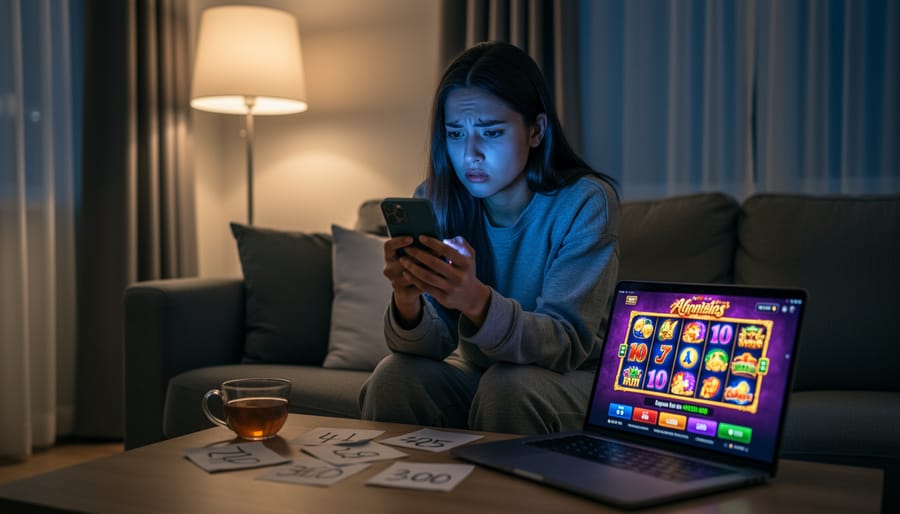
Why Women Are Targeted
The gambling industry has increasingly recognized women as a lucrative market segment, deploying sophisticated strategies that differ markedly from traditional casino marketing. Understanding these tactics is essential for recognizing how platforms create environments specifically designed to appeal to women while obscuring the financial risks involved.
Social casino games represent one of the most pervasive tactics. These apps, often featuring bright colours, social connectivity features, and themes around wellness or community, blur the line between entertainment and gambling. Many Canadian women download these apps thinking they’re harmless games, only to find themselves spending real money on virtual currency and in-app purchases that can quickly escalate.
Bingo and slot apps have been redesigned with aesthetics and social features that research shows appeal specifically to women. These platforms incorporate chat functions, team challenges, and friend leaderboards that transform solitary gambling into what feels like social connection—something particularly appealing during periods of isolation or loneliness.
Influencer partnerships have become another powerful tool. Women with large followings on Instagram and TikTok promote gambling platforms as lifestyle choices, normalizing betting as part of self-care routines or girls’ nights. These endorsements feel authentic and trustworthy, making it difficult to recognize them as calculated marketing designed to build brand loyalty.
The gambling industry invests heavily in understanding women’s online behaviour, pain points, and desires. By packaging gambling as entertainment, community, or even empowerment, these platforms make it challenging to see the financial danger until significant harm has already occurred. Recognizing these targeted approaches is the first step toward protecting ourselves and our communities.
The Perfect Storm: Accessibility Meets Isolation
The convergence of technology, privacy, and social disconnection has created unprecedented conditions for problematic gambling to flourish among Canadian women. Unlike the visible casino trips of the past, today’s online gambling platforms fit seamlessly into the palm of your hand, operating 24/7 with complete discretion.
Smartphones have democratized access to gambling in ways that disproportionately affect women. Apps disguised as innocent games blur the lines between entertainment and betting, while targeted advertising algorithms identify vulnerable moments—late nights, periods of stress, times when traditional support networks aren’t available. The same device used for family photos and work emails becomes a portal to financial risk, with no physical separation between daily life and gambling activity.
The pandemic amplified this perfect storm dramatically. As Canadian women shouldered increased caregiving responsibilities and faced job losses in sectors like retail and hospitality, isolation and women’s wellbeing became inextricably linked. Traditional coping mechanisms—coffee with friends, community groups, fitness classes—vanished overnight. Online gambling filled that void for many, offering escape, excitement, and the illusion of control during profoundly uncertain times.
This isolation continues beyond lockdowns. Remote work, caregiving demands, and reduced community connections mean fewer people notice warning signs. The privacy that protects women from judgment also shields problematic behaviour from intervention. Without casual conversations with colleagues or friends noticing changed spending patterns, the slide into financial crisis can accelerate rapidly and silently.
The Real Cost: Financial Devastation Beyond the Bet
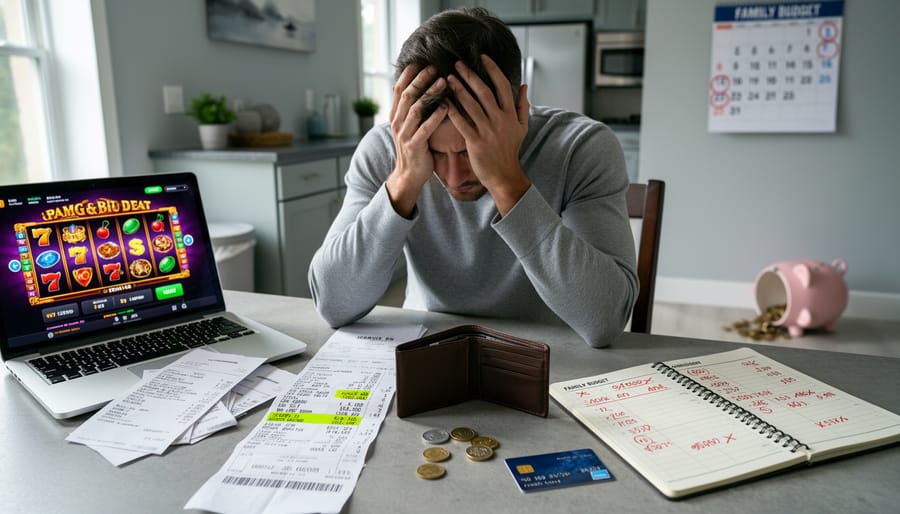
Debt, Savings Depletion, and Credit Damage
The financial consequences of online gambling addiction can be devastating and far-reaching. Canadian women experiencing gambling problems often describe a progressive pattern of financial harm that begins subtly and accelerates rapidly.
Many women initially use credit cards to fund their gambling, believing they’ll recover their losses. As balances climb, they may open additional cards or take cash advances at interest rates exceeding 20%. What starts as a few hundred dollars can balloon into tens of thousands in credit card debt within months. One Toronto woman shared that she accumulated $47,000 in credit card debt over 18 months of online gambling, destroying a credit score that had taken years to build.
Emergency savings accounts—carefully built for unexpected expenses or job loss—often disappear first. Women report draining savings meant for their children’s education, home down payments, or medical emergencies. The psychological impact of watching years of careful savings vanish in weeks compounds the financial stress.
Retirement savings represent another critical loss. Some women cash out RRSPs or TFSAs, incurring tax penalties on top of losing their financial security for later years. A Vancouver woman in her fifties withdrew her entire retirement fund of $82,000, leaving her with no safety net as she approaches retirement age.
Credit damage extends beyond the immediate debt. Missed payments, maxed-out cards, and collections activity can drop credit scores by 200 points or more, affecting future housing applications, employment opportunities requiring credit checks, and the ability to secure reasonable interest rates for necessary loans. Rebuilding credit can take years of consistent effort, even after the gambling stops.
The Ripple Effect on Families and Children
When gambling becomes a problem, the impact extends far beyond one person’s bank account. For women who manage household finances—particularly single mothers and primary caregivers—gambling-related financial strain sends shockwaves through every aspect of family life.
Consider Maria, a single mother in Toronto who began playing online slots during the pandemic. Within months, what started as occasional entertainment consumed her grocery budget, then her children’s clothing allowance, and eventually their summer camp savings. She’s not alone. Research shows that women experiencing gambling problems often deplete funds earmarked for children’s essentials first, creating a painful ripple effect that touches every family member.
The consequences manifest in tangible ways: school lunches unpacked, field trips missed, birthday celebrations postponed. Children may wear outgrown shoes or go without necessary school supplies while parents struggle with shame and secrecy. In Canadian households where women typically shoulder the mental load of family management, the stress of hiding financial problems compounds existing caregiving pressures.
For single mothers already navigating tight budgets, gambling losses can trigger catastrophic domino effects—rent arrears leading to eviction notices, utility disconnections, or reliance on payday loans with predatory interest rates. The emotional toll is equally devastating. Family relationships strain under the weight of broken promises and unexplained financial shortfalls. Partners may discover hidden debts, while older children sense something is wrong without understanding why.
Breaking this cycle requires acknowledging that seeking help isn’t a personal failure but an act of strength and care for one’s family.
Why Women Gamble: Understanding the Root Causes
Economic Pressures and Financial Stress
Women in Canada face systemic financial challenges that make them particularly vulnerable to the false promise of online gambling as a quick solution. The persistent wage gap means women earn, on average, 89 cents for every dollar earned by men, with Indigenous women, racialized women, and women with disabilities facing even wider disparities. This economic injustice towards women creates ongoing financial stress that gambling platforms exploit through messaging about “winning big” or “changing your luck.”
Many women also shoulder disproportionate financial caregiving burdens, supporting children, aging parents, or family members with disabilities while managing household expenses. When paycheques don’t stretch far enough, the temptation to gamble can feel like the only way out of an impossible situation. However, the gambling industry’s algorithms are designed to ensure the house always wins, turning temporary relief into deeper financial crisis. Understanding these economic pressures helps us recognize that women’s gambling challenges aren’t personal failures but responses to systemic inequality requiring collective solutions.
Mental Health, Trauma, and Escape
Understanding the relationship between mental health and gambling behavior reveals important patterns that particularly affect women. Research shows that women often turn to online gambling as a coping mechanism for anxiety, depression, or past trauma, while men more commonly gamble for excitement or financial gain. This distinction matters when we consider that Canadian women experience higher rates of anxiety disorders and depression than men, creating a vulnerable population seeking relief.
Online gambling offers an immediate, accessible escape from emotional pain. The immersive nature of digital games can temporarily quiet racing thoughts or numb difficult feelings. For women managing trauma—whether from relationship violence, childhood experiences, or ongoing stress—the few hours spent gambling may feel like the only time their minds find peace. This isn’t a character flaw; it’s a human response to overwhelming circumstances.
The pandemic amplified these dynamics across Canada. With increased isolation, financial stress, and caregiving demands falling disproportionately on women, many discovered online gambling as a readily available form of escape. Unlike visiting a physical casino, women could gamble privately from home, avoiding potential stigma while managing multiple responsibilities.
Recognizing these mental health connections helps us approach gambling concerns with compassion rather than judgment. Women struggling with gambling aren’t making poor choices—they’re often trying to survive emotional distress without adequate support systems. Addressing the root causes of anxiety, depression, and trauma through accessible mental health resources becomes essential to preventing and healing from gambling harm.
Warning Signs: Recognizing When Gambling Becomes Harmful
Recognizing when gambling shifts from occasional entertainment to something harmful isn’t always straightforward, and there’s no shame in asking yourself honest questions. Awareness is a powerful first step toward reclaiming control over your financial wellbeing.
Consider whether gambling is taking up increasing amounts of your time or money. Are you finding yourself thinking about your next bet during work, family time, or when trying to sleep? Have you noticed yourself chasing losses, telling yourself that just one more game will help you break even? These patterns often signal that gambling has moved beyond recreation.
Financial red flags deserve attention too. If you’re borrowing money to gamble, using credit cards for betting when you wouldn’t for other purchases, or hiding gambling-related transactions from loved ones, these are meaningful warning signs. Similarly, if you’re delaying bill payments, dipping into savings meant for other goals, or feeling anxious about checking your bank balance, it’s worth pausing to reflect.
Emotional indicators matter just as much. Do you feel restless or irritable when you’re not gambling? Are you gambling to escape stress, loneliness, or other difficult feelings? Have friends or family expressed concern about your gambling habits? Sometimes those closest to us notice changes before we fully recognize them ourselves.
For loved ones watching someone struggle, approach conversations with compassion rather than judgment. Share specific observations about changes you’ve noticed, express care for their wellbeing, and offer to help them connect with support resources.
Remember, seeking help isn’t a sign of weakness—it’s an act of courage and self-care. Many Canadian women have walked this path before you, found support, and rebuilt their financial stability. You deserve that same opportunity for healing and empowerment.
Taking Back Control: Resources and Support for Canadian Women
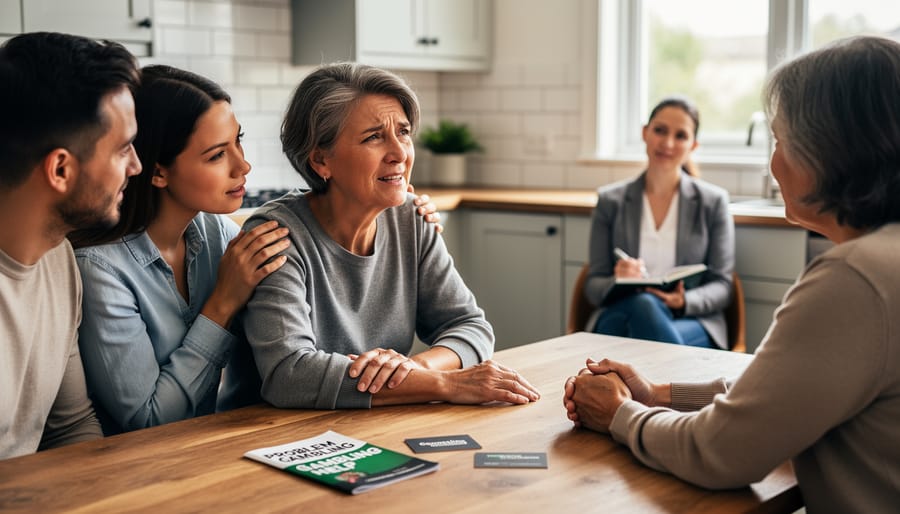
Where to Find Help Today
You don’t have to face this alone. Canada offers several specialized resources designed to support women experiencing gambling-related financial difficulties.
The Problem Gambling Institute of Ontario operates a confidential helpline at 1-866-531-2600, available 24/7 with counselors trained in gender-specific approaches. Many callers find comfort knowing their stories are understood within the broader context of women’s economic realities.
Gamblers Anonymous hosts women-only meetings across Canada, creating safe spaces where participants share experiences without judgment. Visit gamblersanonymous.org to locate meetings in your province.
For integrated support addressing both gambling and financial recovery, contact the Canadian Association of Social Workers at 1-613-729-6668 for referrals to counselors who specialize in women’s financial wellbeing.
Credit Counselling Canada (1-888-527-8999) provides free financial counseling, helping women develop debt management plans and rebuild financial stability after gambling losses.
Provincial resources include ConnexOntario (1-866-531-2600 in Ontario) and Jeu: Aide et Référence (1-800-461-0140 in Quebec), both offering services in multiple languages.
Remember, seeking help demonstrates strength and self-advocacy. These organizations exist because your wellbeing matters, and recovery is absolutely possible with the right support network surrounding you.
Practical Steps to Protect Your Financial Wellbeing
Taking control starts with concrete action. If you recognize warning signs in yourself or someone you care about, several protective tools are available in Canada. Consider installing gambling-blocking apps like Gamban or BetBlocker on your devices—these create a technological barrier during vulnerable moments. Most provinces offer self-exclusion programs where you can voluntarily ban yourself from online gambling sites; while this requires courage, it’s a powerful step toward reclaiming your financial future.
Work with your bank to set up spending alerts or blocks on gambling transactions. Many Canadian financial institutions now offer these controls, and requesting them is your right as an account holder. Equally important is addressing the underlying needs that gambling may be filling. Connect with free counselling services through your provincial problem gambling helpline, explore community support groups, or develop alternative stress-management practices like walking groups, creative hobbies, or volunteering.
Remember, seeking help isn’t weakness—it’s wisdom. Canadian women deserve financial security and emotional wellbeing. By combining practical barriers with compassionate self-understanding and community connection, you’re not just protecting your finances; you’re investing in your whole future.
How to Support Someone You Care About
If someone you care about is struggling with online gambling, your support can make a meaningful difference. Start by choosing a private, calm moment to express your concerns without judgment. Use “I” statements like “I’ve noticed you seem stressed about money lately” rather than accusations. Listen more than you speak, and avoid shame-based language that might push them away.
Educate yourself about gambling addiction so you understand it’s a complex issue, not a moral failing. Offer practical help like researching Canadian resources together or accompanying them to support groups. Respect their autonomy while setting healthy boundaries around lending money or enabling the behaviour.
Remember that recovery isn’t linear. Celebrate small steps forward and remain a consistent, compassionate presence. Your role isn’t to fix the problem, but to remind them they’re not alone and that help is available when they’re ready.
What Needs to Change: Advocating for Better Protection
Real change requires action at every level—from our communities to government policy. Canada needs stronger safeguards to protect women from the financial devastation that online gambling can cause.
First, we need stricter regulations on gambling advertising. Currently, women are bombarded with ads on social media, streaming platforms, and websites—often targeted based on browsing behavior and life circumstances. Provincial and federal authorities must work together to limit the frequency, placement, and personalization of these ads. Countries like the UK have implemented restrictions on gambling advertisements during certain hours and near vulnerable populations. Canada can follow suit.
Second, gambling platforms must be held accountable for protecting women from harm. This means mandatory spending limits, cooling-off periods, and improved self-exclusion programs that actually work across all platforms. Right now, someone can exclude themselves from one site and immediately sign up on another. We need a centralized, province-wide exclusion system.
Third, we desperately need gender-responsive treatment options. Women’s pathways into gambling addiction often differ from men’s, yet most treatment programs were designed with male experiences in mind. Women need services that acknowledge trauma, caregiving responsibilities, and the shame that prevents many from seeking help. This includes accessible childcare during treatment sessions and peer support groups specifically for women.
As individuals, we can make a difference. Contact your provincial representatives and demand better protections. Support organizations working on addiction and women’s financial security. Share information in your networks to raise awareness. When you advocate for women’s rights, include financial wellbeing and protection from predatory industries in that conversation.
Change happens when communities come together. Your voice matters in creating a safer environment where women can thrive financially without exploitation.
Recovery is possible, and you don’t have to walk this path alone. Across Canada, women are reclaiming their financial wellbeing and rebuilding their lives after gambling-related challenges. Their stories remind us that struggle doesn’t define us—our resilience and willingness to reach out for support do.
Whether you’re concerned about your own relationship with online gambling or supporting someone you care about, taking that first step matters more than having everything figured out. Community organizations, financial counsellors, and peer support networks are ready to meet you wherever you are in your journey. These resources exist because people like you recognized that women’s financial wellbeing deserves attention, advocacy, and action.
For those who want to contribute to systemic change, your voice matters too. Advocate for stronger consumer protections, support organizations addressing women’s financial literacy, and help break down the shame and stigma that keeps too many women suffering in silence. Share information within your networks, challenge harmful narratives about gambling, and create spaces where honest conversations about money and mental health can happen.
Recovery isn’t linear, and it doesn’t look the same for everyone. What matters is that support is available and change is achievable. If you or someone you know needs help, reach out to a gambling helpline or financial counselling service today. Your financial wellbeing matters, your story matters, and together, we can build communities where every woman has the resources and support she needs to thrive.